ODN design
Distribution network design based on split ratio, splitter stages and optical power budget.
With GPON and XGS-PON passive optical networks, we connect buildings, campuses and organised industrial zones over a single high-capacity fibre infrastructure.
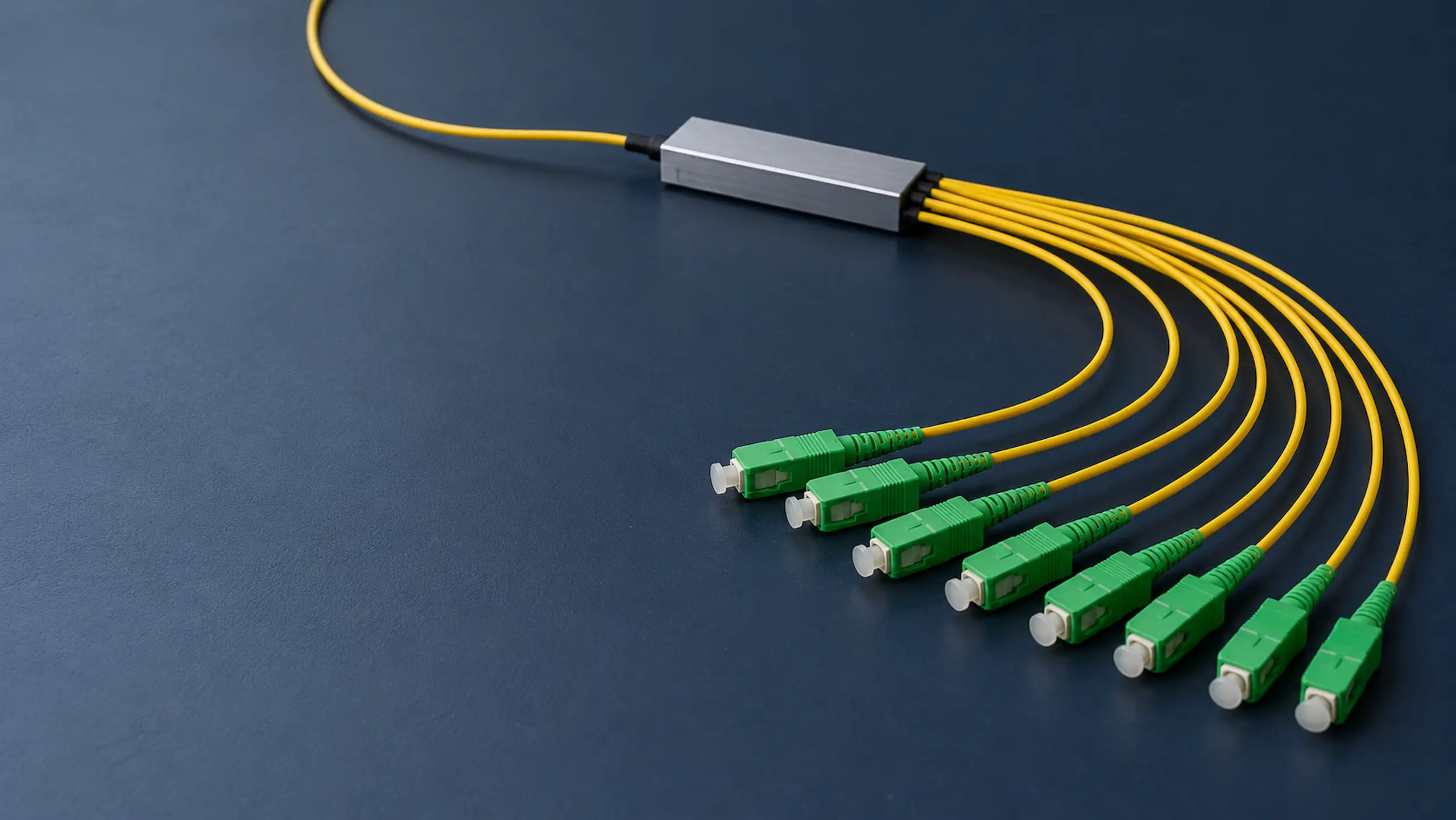
A passive optical network distributes a single OLT port to dozens of endpoints through passive splitters. With no powered active equipment in the field, there are fewer points of failure, lower energy consumption and a longer-lasting infrastructure.
Mixnet runs PON projects end to end, from ODN design to OLT/ONT integration and operation. Networks built on GPON are designed so they can move to XGS-PON without touching the fibre distribution network.
Distribution network design based on split ratio, splitter stages and optical power budget.
FTTH, FTTB and enterprise access built on a mature, widely adopted ecosystem.
10 Gbps symmetrical capacity for bandwidth-hungry enterprise and campus applications.
GPON and XGS-PON run on the same ODN at different wavelengths, allowing a phased migration without rebuilding the infrastructure.
A fibre LAN built with passive splitters instead of copper cabling and active switches in floor cabinets.
VLAN, QoS and service profiles; central management, monitoring and endpoint provisioning.
A single fibre from the OLT is distributed to buildings and floors through passive splitters. Because GPON and XGS-PON use different wavelengths, they can coexist on the same distribution network.
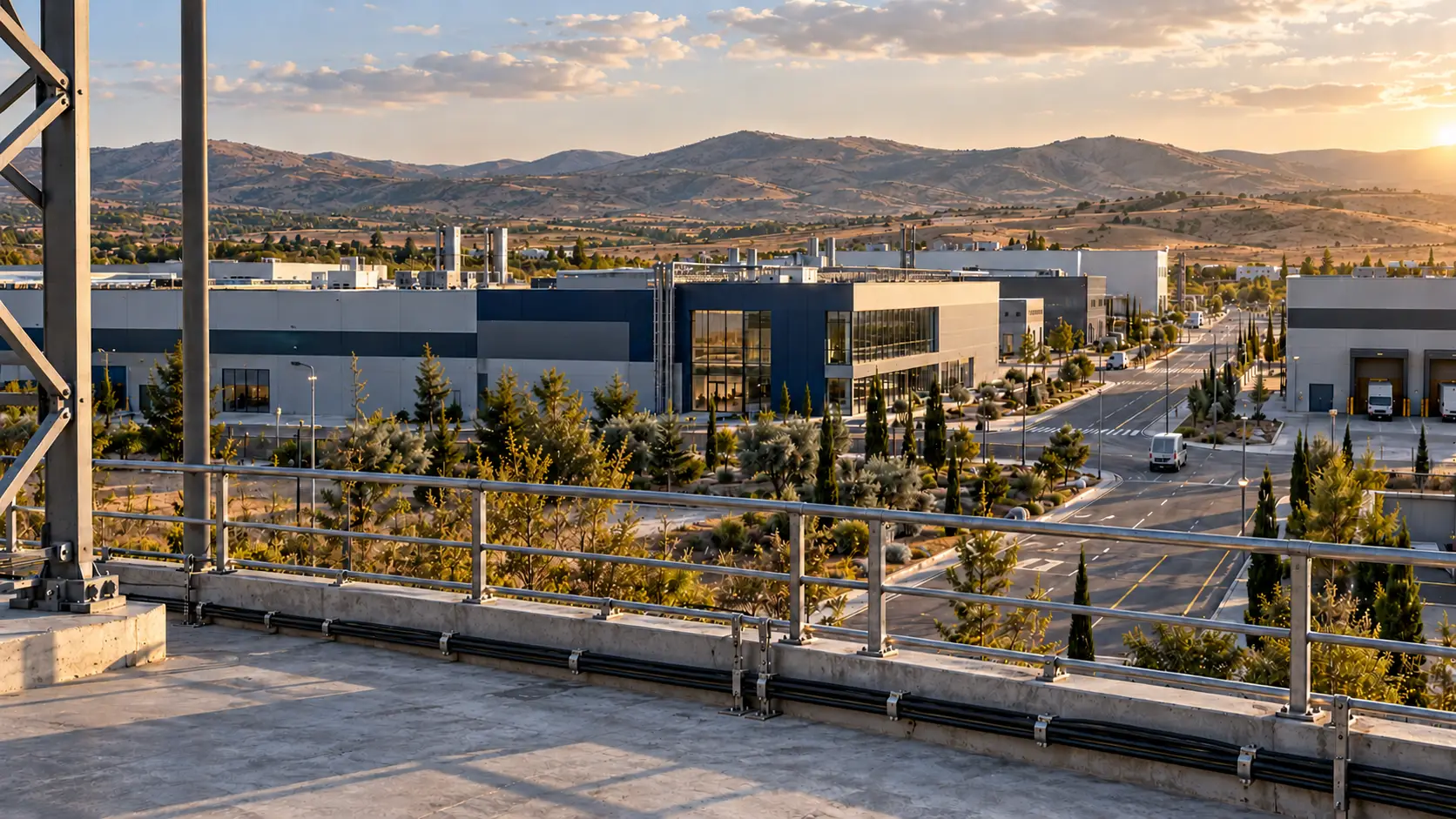
A single fibre from the OLT in the equipment room is split into 32 branches by the passive splitter in the street cabinet, and each building gets its own branch. The cabinet holds nothing that needs power, cooling or maintenance, so there are fewer points of failure and lower running costs.
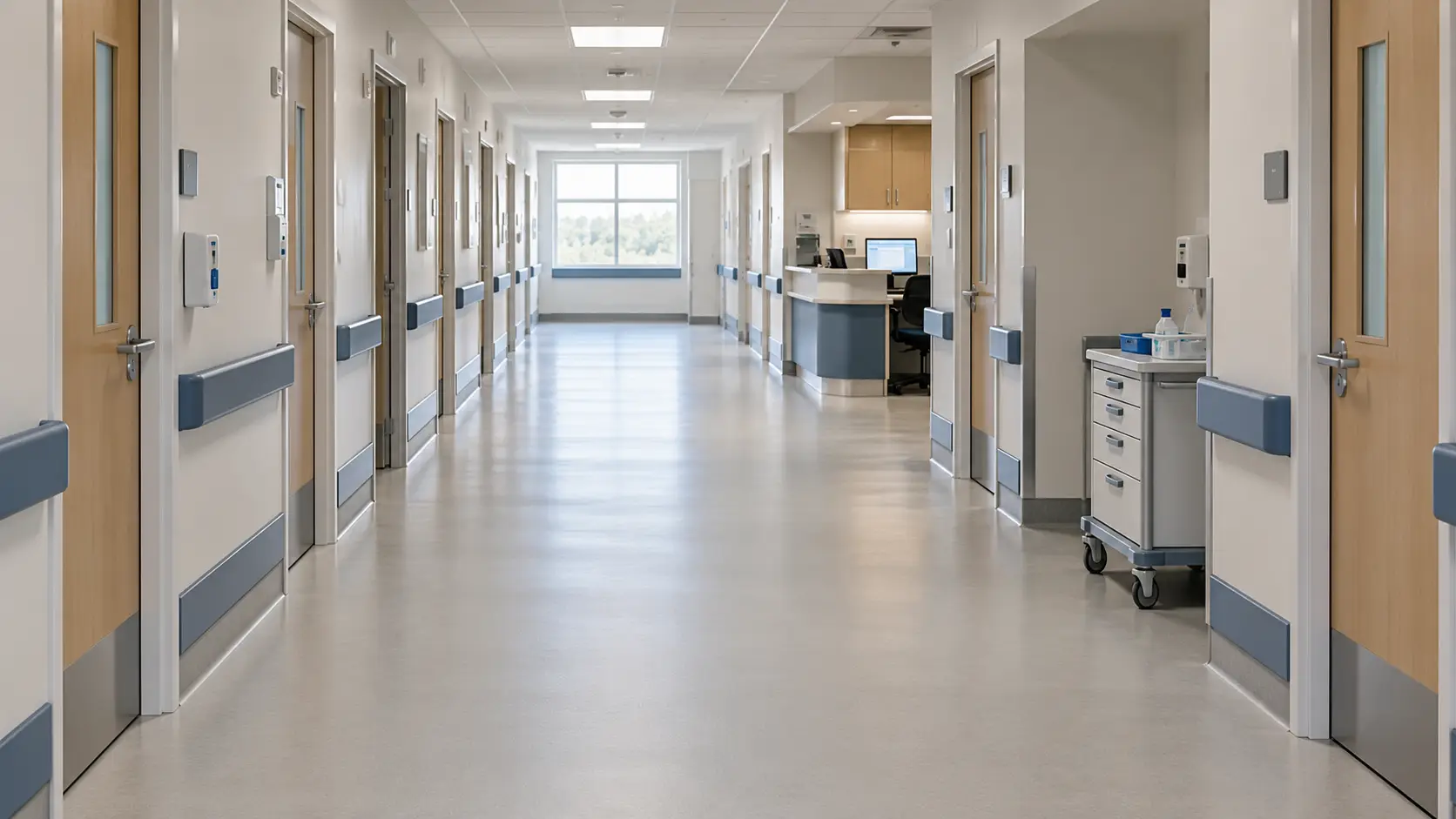
In an optical LAN, active equipment is concentrated in the main equipment room; the floors hold only a passive splitter or passive aggregation module, and no floor telecom room is needed. For hotels, hospitals, schools and office buildings, PON-based and dedicated 10GE designs are compared with a copper LAN below.
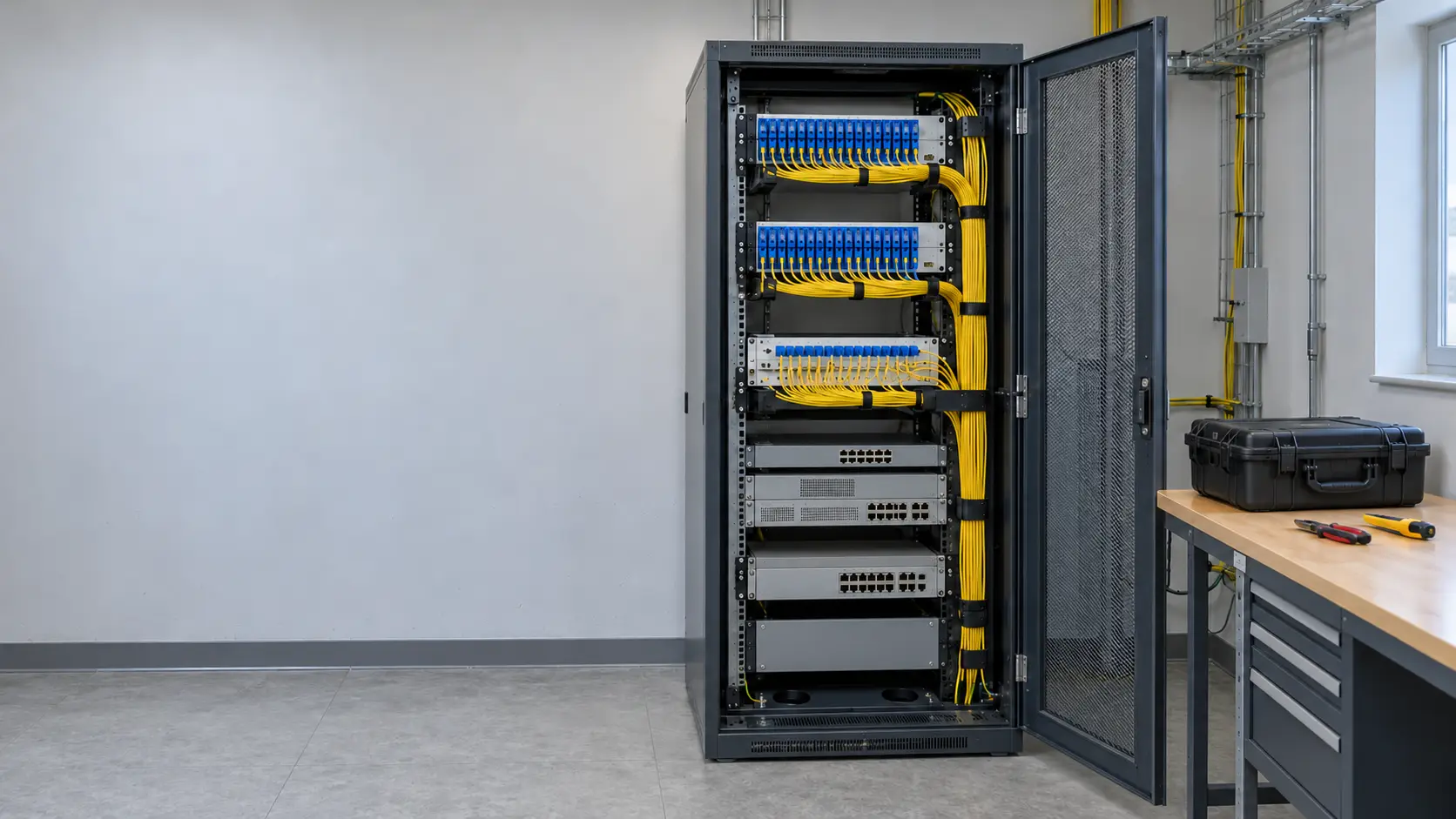
All active network equipment sits in a single room in the basement. A thin fibre runs up to each floor and is distributed to the rooms by a splitter that needs no power. The small ONT in each room powers the Wi-Fi access point, phone and camera over the same cable. The space, power and cooling of floor telecom rooms are no longer needed.
| Feature | GPON | XGS-PON |
|---|---|---|
| Standard | ITU-T G.984 | ITU-T G.9807.1 |
| Line rate (down / up) | 2.488 / 1.244 Gbps | 9.953 / 9.953 Gbps |
| Wavelength (down / up) | 1490 / 1310 nm | 1577 / 1270 nm |
| Typical split ratio | 1:32 – 1:64 | 1:32 – 1:128 |
| Typical reach | 20 km | 20 km |
Let’s assess your needs and your site together, and work out the right architecture and project plan for you.